
Nail problems
Fungal nail infection
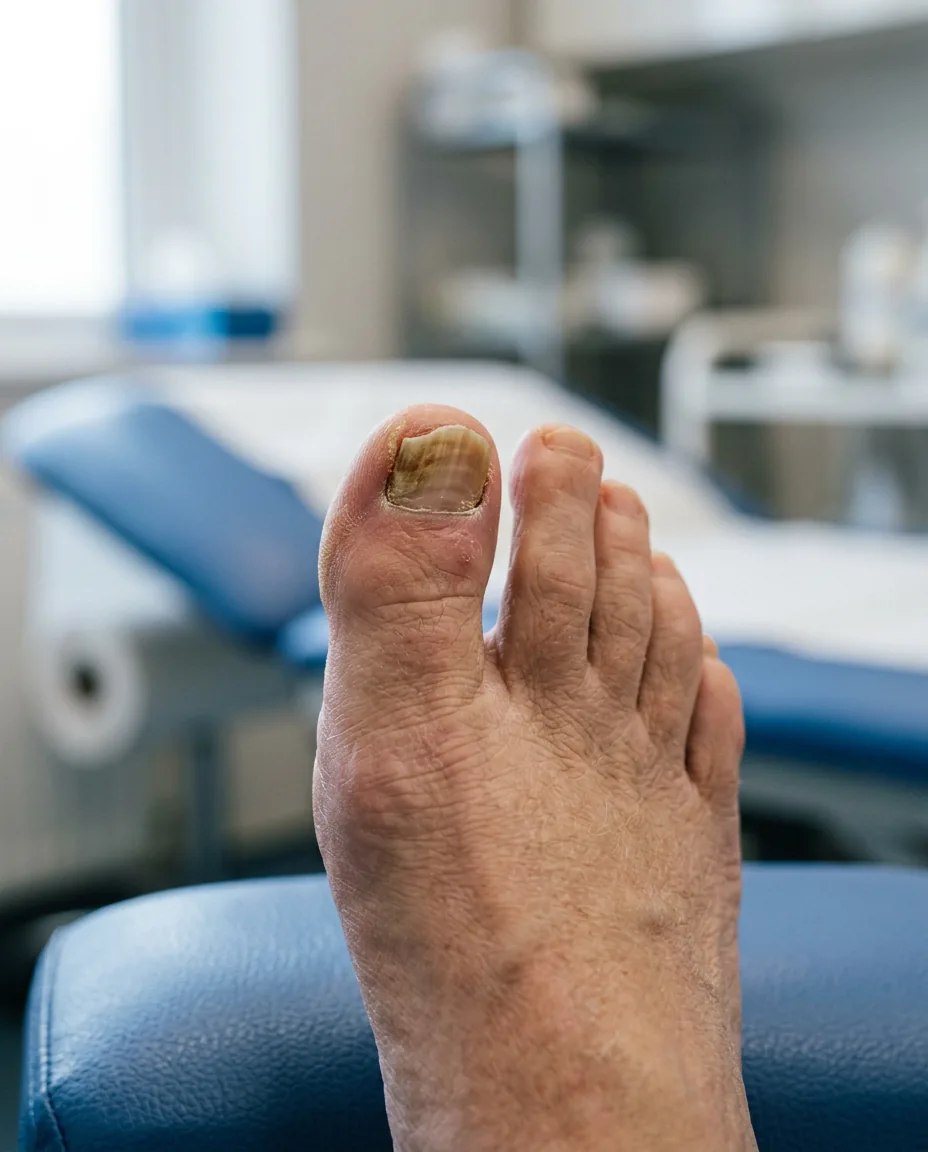
A nail that has turned thick, yellow and crumbly is one of the most common things we see. It will not clear up on its own, and the sooner it is looked at, the simpler it is to deal with.
Treatment Summary
How long
30 minutes
What it costs
£35
No new patient fee.
Getting in
Free parking at the Tesco next door, under a minute's walk.
What we do
Does it hurt
No. Thinning a thickened nail is not painful and needs no anaesthetic. Most people say it feels better straight away, because the pressure comes off.
A short line in a patient's own words goes here, once we have a real one to use.
Placeholder — name and town go here.
How to tell if a nail is fungal.
Not every thickened nail is fungal. An old injury, psoriasis and plain ageing all do much the same thing to a nail, and they are not treated the same way. That is why we would rather confirm it than guess.
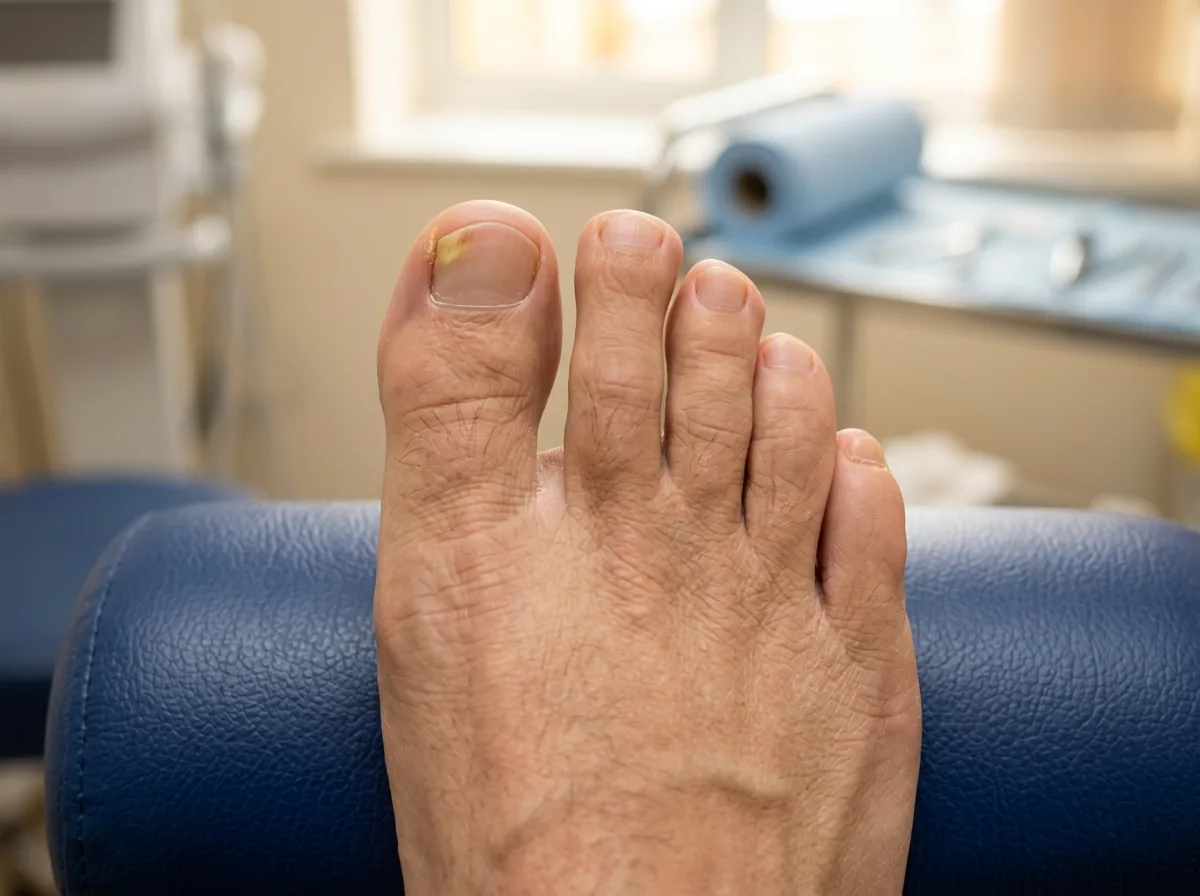
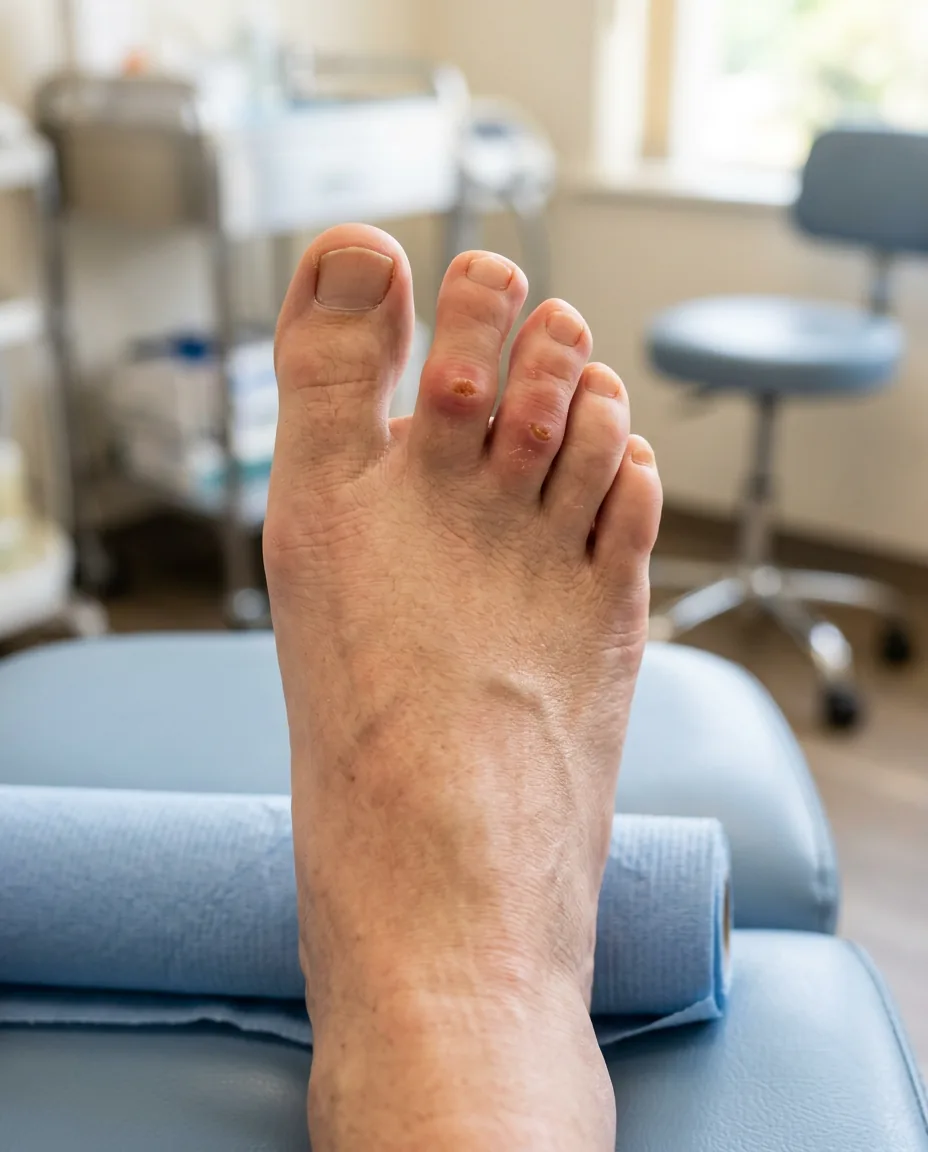
Early fungal nail infection at the edge of the nail — at Complete Chiropody and Podiatry in Chester-le-Street
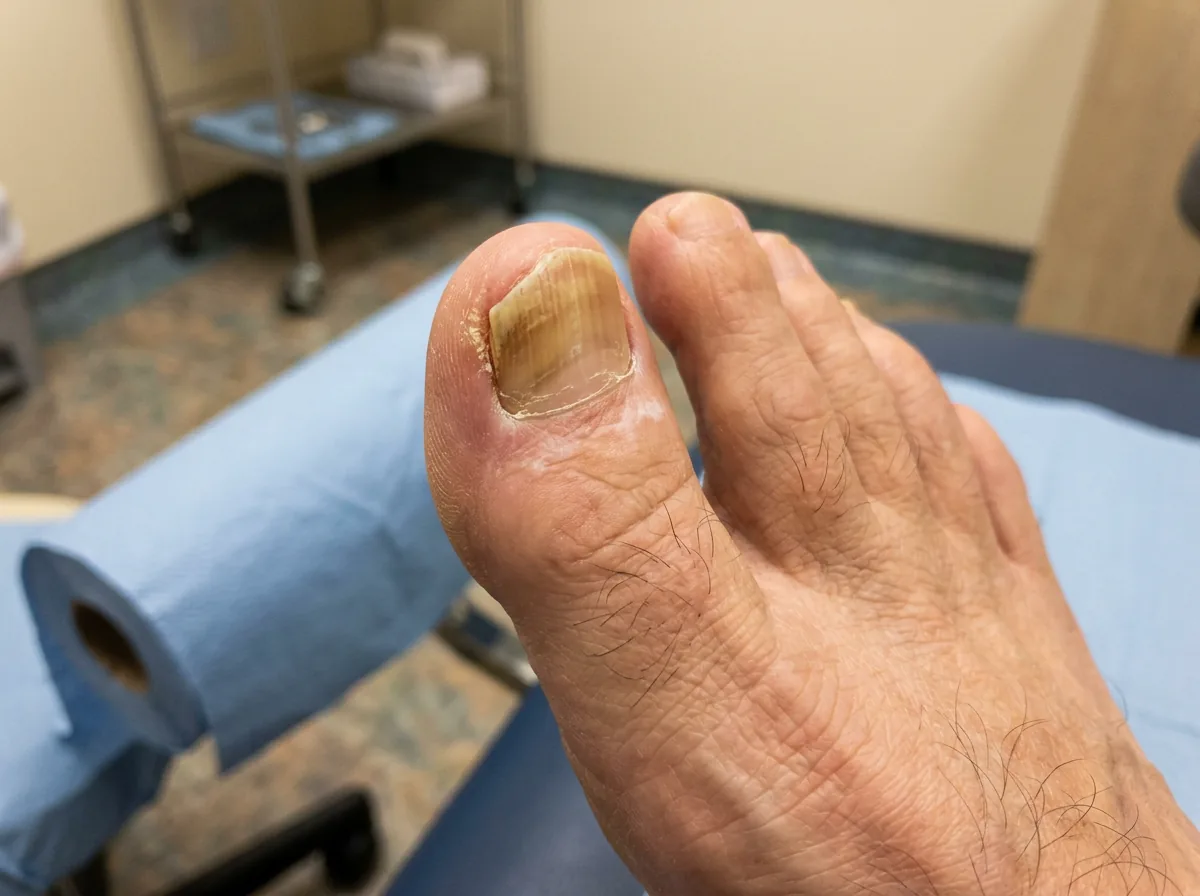
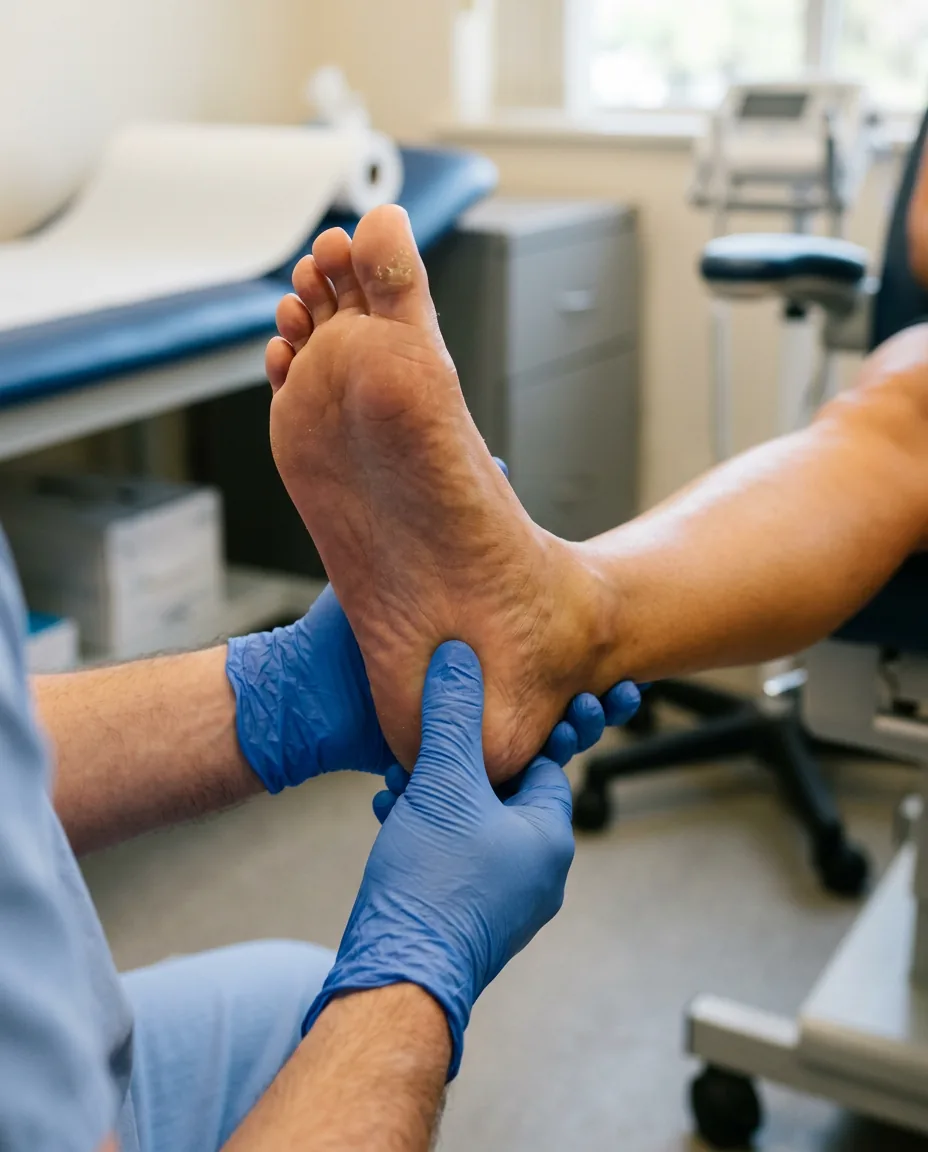
A fungal nail infection spread across half the nail — at Complete Chiropody and Podiatry in Chester-le-Street
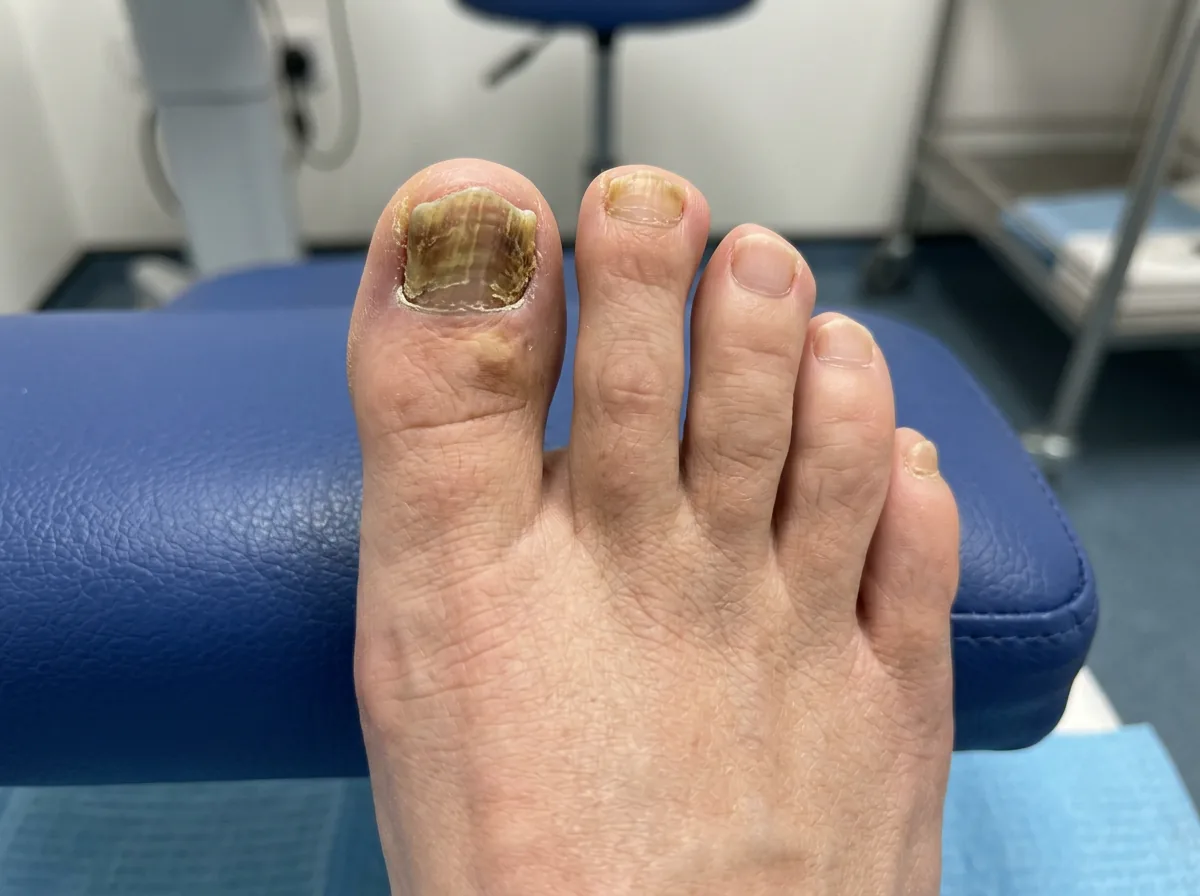
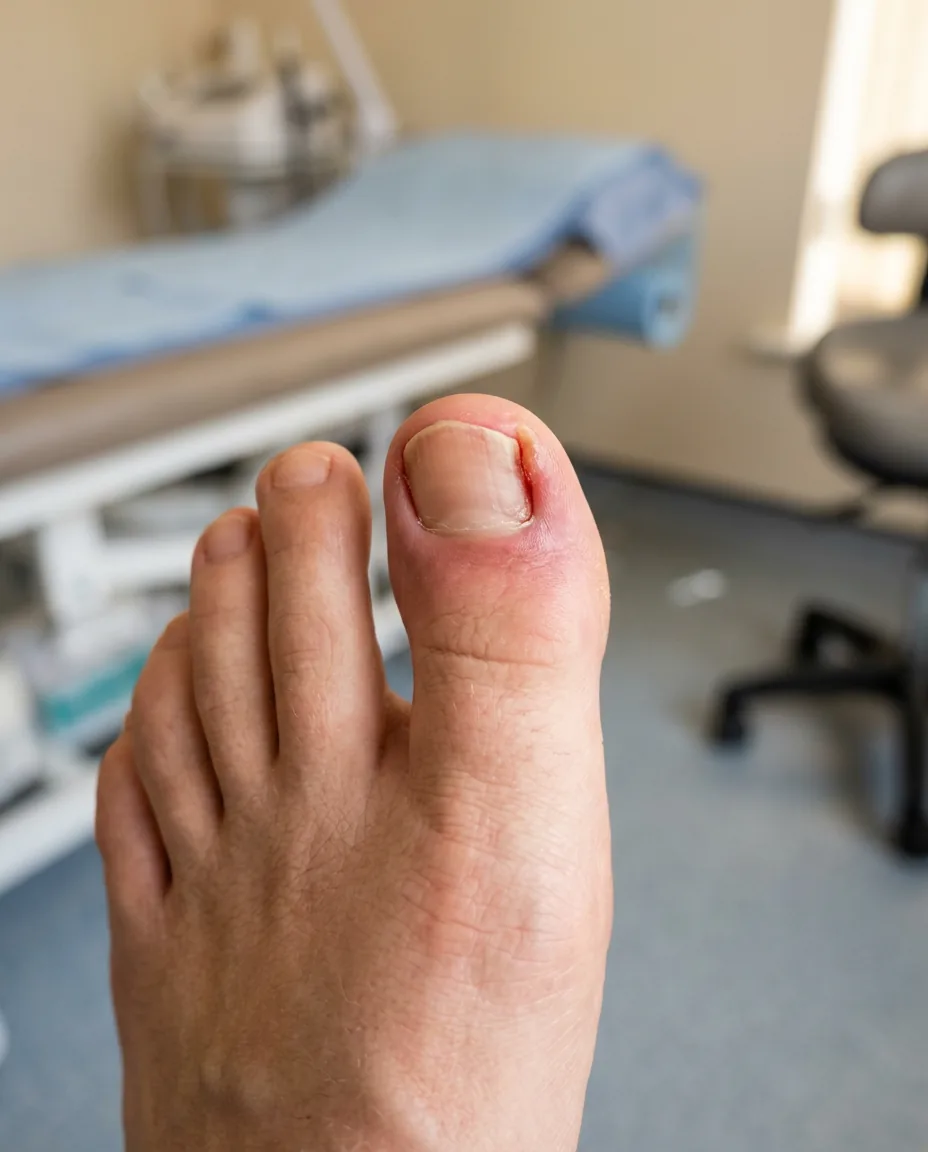
An advanced, thickened and distorted fungal nail — at Complete Chiropody and Podiatry in Chester-le-Street
Treatment Information
What we do about it.
01
We confirm what it is
If it is not obvious, we take a small clipping and send it to a laboratory. It is painless, and it is worth doing before anyone commits to months of treatment. Treating a nail that was never fungal costs you a year and gets you nowhere.
02
We reduce the nail
We thin the nail down with a small drill. There is no anaesthetic and it does not hurt. It does two useful things at once: the nail stops pressing inside your shoe, and anything you apply afterwards has far less nail to get through.
03
We match the treatment to the nail
Where only the end of the nail is affected, a lacquer from the pharmacy often works, provided it is used properly and for long enough. Where more of the nail is involved, tablets from your GP are more effective. We tell you which situation you are in, and write to your GP if tablets are the sensible route.
04
We are honest about how long
A big toenail takes nine to twelve months to grow out completely, so a clear nail is roughly a year away even when treatment is working exactly as it should. What you should see well before then is clean new growth at the base. Anyone who promises a quick fix is not being straight with you.
What you can do at home
Get it looked at sooner if…
Any of these change what we do and how quickly we do it. Ring us rather than waiting for a routine appointment.
Online booking opens soon
Our appointment diary is not open just yet. Leave your details and be the first to know when it opens, so you can pick a time that suits you, evenings and weekends included.
Diary opening soonOr ring 07838 652554 and we will find you a time.

Rather talk to someone?
Ring during opening hours and you will speak to a person. Home visits are arranged this way.
Fungal nail infection is called onychomycosis clinically, and it is what a GP or hospital letter will usually name it. Most cases are caused by dermatophytes, usually Trichophyton rubrum, which is the same organism behind athlete's foot. Yeasts and moulds account for a smaller share. Confirmation is by microscopy and culture, or by PCR, on a nail clipping. Topical amorolfine or tioconazole suits disease limited to the end of the nail; oral terbinafine is more effective where the nail matrix is involved or several nails are affected, and is prescribed by a GP, usually after a blood test to check liver function. Recurrence is common, which is why the footwear and athlete's foot advice above matters as much as the treatment itself.
Questions
Things people ask about fungal nails.
It can spread, most often to your other nails and to the skin between your toes. It is not something people catch easily from ordinary contact at home, but keeping your own clippers and your own towel is sensible.
Often, yes, provided the nail bed underneath has not been damaged. Where a nail has been infected for years it can grow back thickened or ridged even once the fungus has gone. We will tell you honestly which of those we think you are looking at.
Not while you are treating it. Varnish seals the nail and stops anything you apply getting through. Once it has grown out there is no reason not to.
No. If it looks clear-cut you may prefer to get on with treatment. We would push for a test before you start tablets, because those need a prescription and a commitment of several months.
Occasionally that is the right answer, and we do nail surgery under local anaesthetic. For a fungal nail it is rarely necessary. Thinning the nail usually does the job with a great deal less involved.
Still have a question?
Ask it here and we will come back to you by email, usually the same working day. If it is urgent, calling is quicker.

Online booking opens soon
Our appointment diary is not open just yet. Leave your details and be the first to know when it opens, so you can pick a time that suits you, evenings and weekends included.
Diary opening soonOr ring 07838 652554 and we will find you a time.
Rather talk to someone?
Ring during opening hours and you will speak to a person. Home visits are arranged this way.
Fungal nail infection
treatment in Chester-le-Street
Our clinic is in Chester-le-Street, right next to Tesco, so parking is free and it is less than a minute's walk from the car park to our door. We also see people from the towns and villages around it, and visit at home across the same area.